How to Choose the Best Commercial Interior Design for Your Business?
Choosing the right commercial interior design can significantly impact your business. It's not just about aesthetics; it's about creating a space that reflects your brand and enhances productivity. A well-designed environment can attract customers and improve employee morale. When selecting a commercial interior design, consider practicality and style.
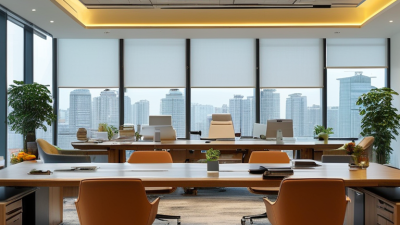
Analyze your target audience. What kind of atmosphere appeals to them? This research can guide your decisions. Do you want a modern look or a classic vibe? Think about functionality. Will the layout support your daily operations? Open spaces may promote collaboration, while closed offices can offer privacy.
Budget is another critical factor. High-quality materials can be expensive, but they may be worth the investment in the long run. Reflect on the balance between cost and quality. Engaging with a professional can be beneficial. Their expertise can help you avoid costly mistakes. Remember, the right commercial interior design is an investment in your brand's future.
Factors to Consider When Choosing Commercial Interior Design Services
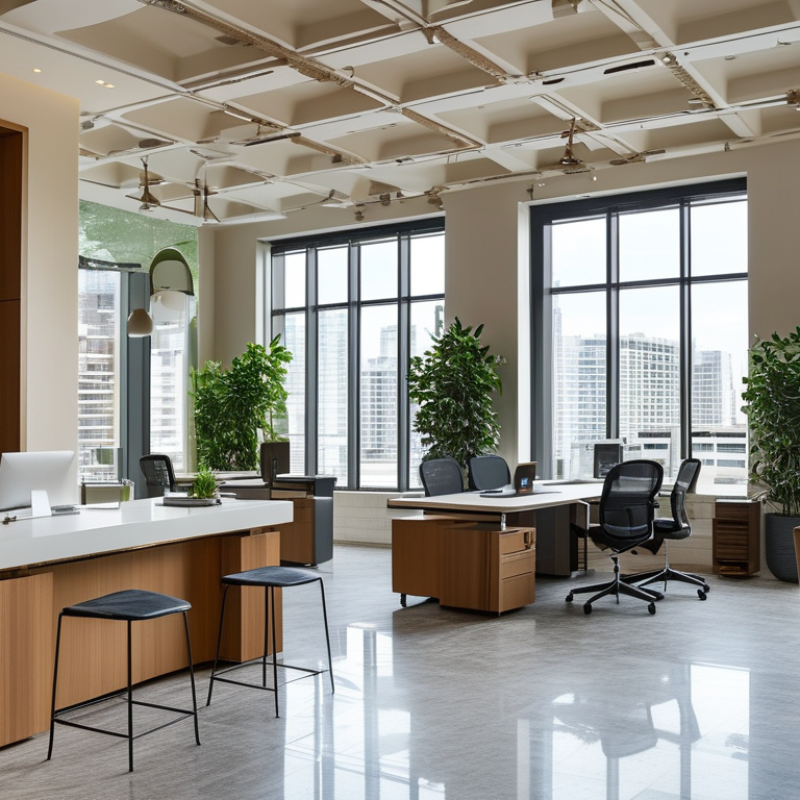
Choosing the right commercial interior design can significantly impact your business environment. Focus on functionality and aesthetics. Understand the specific needs of your brand and how the design can reflect your values. Each space should promote productivity and comfort for employees while leaving a lasting impression on clients.
Consider the variety of services available. Look for a team with a strong portfolio. This showcases their ability to adapt to different styles and requirements. Verify their experience in your industry, as familiarity with your business type can enhance their design choices. Quality of materials and finishes also matters. A professional designer will understand the balance between cost and durability.
When discussing your project, communicate your goals clearly. Listen to their feedback but trust your instincts. You might find it challenging to let go of certain design ideas. Reflect on the practical implications of each choice. Prioritize elements that enhance functionality over those that only add visual appeal. Your space should be engaging, but not at the expense of efficiency. Engage in an open dialogue with your designer to refine your vision together.
How to Choose the Best Commercial Interior Design for Your Business?
| Factor |
Description |
Importance Level |
Considerations |
| Budget |
Determine your spending limit for design services and materials. |
High |
Research potential costs and plan for additional expenses. |
| Style |
Identify the aesthetic that aligns with your brand identity. |
Medium |
Consider contemporary vs traditional styles based on target clientele. |
| Functionality |
Assess how the design will facilitate business operations. |
High |
Evaluate layout for workflow and efficiency. |
| Sustainability |
Choose eco-friendly materials and energy-efficient designs. |
Medium |
Look for sustainable design certifications. |
| Timeline |
Establish how long the project will take from start to finish. |
High |
Plan for any potential delays in design or construction. |
Understanding Different Types of Commercial Interior Design Styles
When choosing a commercial interior design style, it's crucial to understand the various options available. Each style can create a unique atmosphere that influences customer perception and employee productivity. According to a report by the International Facility Management Association, a well-designed commercial space can boost employee performance by up to 15%.
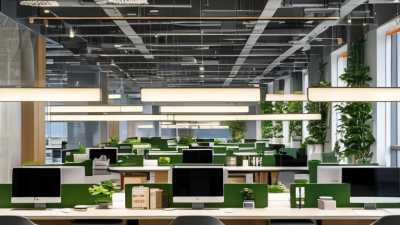
Modern and minimalist designs emphasize clean lines and open spaces. This style often uses neutral colors and functional furniture, creating a calm environment. In contrast, industrial designs incorporate raw materials like exposed brick and metal fixtures. This approach caters to businesses looking to convey a trendy, urban vibe. However, these styles may not suit every brand image. It’s essential to align design choices with the company's core values.
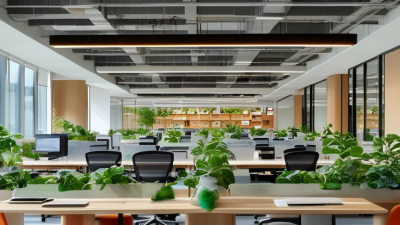
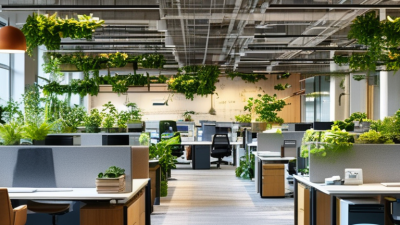
Additionally, biophilic design has gained traction. This approach integrates natural elements into the workspace, enhancing well-being. A study from Human Spaces reveals that employees working in environments with natural elements report a 15% higher level of well-being. Yet, some businesses may overlook this style, assuming it requires extensive outdoors space. Assessing the available area and light sources can help identify viable options. Reflecting on your business identity is vital to making an informed choice.
The Importance of Branding in Commercial Interior Design Choices
When designing a commercial space, branding plays a crucial role. The design should reflect the business's core values and identity. A strong brand presence can create memorable experiences for customers. It is important to choose colors, materials, and layouts that echo the brand’s message. For instance, vibrant colors may convey excitement, while muted tones may reflect professionalism.
Consider how design choices influence perception. A well-thought-out layout enhances customer flow and employee productivity. Look for ways to integrate brand elements naturally, like logos or slogans. This can create a seamless brand experience. However, overdoing it may lead to a cluttered look. Balance is key.
Reflection is essential in this process. Evaluate how every element supports branding. Sometimes, what feels right may not resonate with the target audience. Be open to feedback and make adjustments. Design is an evolving practice, not a one-time decision. Engage in continuous improvement to achieve a space that truly embodies your brand.
Budgeting for Commercial Interior Design: Key Financial Insights
When budgeting for commercial interior design, understanding costs is crucial. Industry reports indicate that a well-planned budget can enhance both productivity and brand image. According to the National Association of Realtors, businesses that invest in quality interior design see an increase in employee satisfaction by up to 30%. This improvement can lead to reduced turnover and enhanced productivity.
An effective strategy includes analyzing design fees, materials cost, and potential disruptions. On average, businesses allocate about 10% of their overall budget to interior design. Yet, many underestimate hidden costs like permits, furniture assembly, and contractor fees. A lack of foresight in these areas can disrupt financial planning.
While seeking inspiration, consider the unique needs of your business. Generic designs may look appealing but often lack functionality. Engaging with a professional designer can help avoid costly mistakes and ensure that the space reflects your brand identity. Balancing aesthetics with practicality is vital, and recognizing this can lead to better financial outcomes.
Evaluating Past Projects: How Case Studies Influence Design Decisions
Evaluating past projects is crucial when choosing commercial interior design. Case studies provide insights into design effectiveness. Analyzing these projects helps you understand what works and what doesn’t in your specific industry. Look for examples that resonate with your brand's vision. Pay attention to how different designs impacted space functionality and employee well-being.
Understanding client feedback on previous designs is essential. It reveals areas where the design excelled or fell short. For instance, if a project improved collaboration among employees, consider how similar elements could be adapted for your space. Scrutinize both successes and shortcomings; learn from design flaws demonstrated in past projects.
When assessing case studies, focus on the project's adaptability. How did the designers tailor solutions to meet unique client needs? A successful design should not only enhance aesthetics but also be functional. Remember, a good design is often a balance between innovative ideas and practical needs. Engage with the designers to discuss their thought process behind each project. Their experiences can guide you in making informed decisions for your own space.
Evaluating Past Projects: Impact on Design Decisions