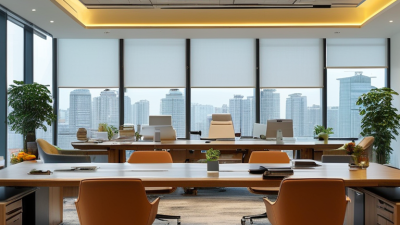
In recent years, employee wellness design has garnered significant attention among global buyers, especially in China. Companies are increasingly recognizing the need to create work environments that promote the physical and mental well-being of their employees. This shift is not merely a trend; it reflects a deeper understanding of how overall wellness can drive productivity and retention.
Innovative designs incorporate elements like natural light, open spaces, and relaxation zones. These features contribute to a healthier workplace. However, implementing these changes can be challenging. Not all companies have the resources or knowledge to execute effective wellness strategies. It requires careful planning and commitment from leadership.
Every workspace is unique, demanding tailored solutions. The rise of remote working adds complexity. Companies must consider how employee wellness design applies both in the office and at home. This ongoing evolution presents both opportunities and challenges. As companies navigate this landscape, the focus on employee wellness design will shape the future of work environments in China and beyond.
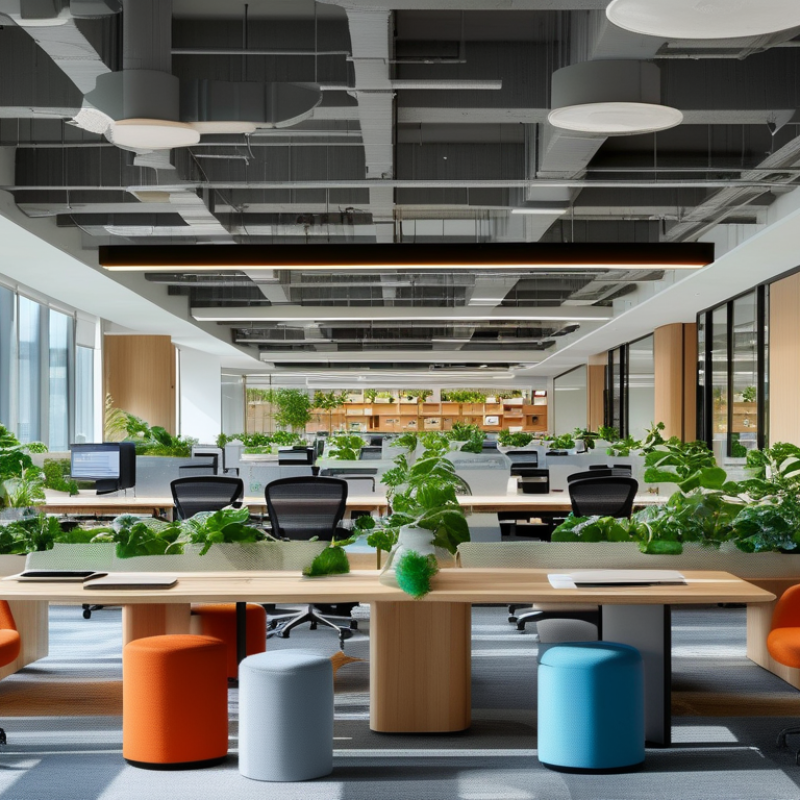
The growing emphasis on mental health support in workspaces reflects a significant trend in employee wellness design in China. Recent research indicates that nearly 70% of Chinese employees experience stress due to workplace demands. This stress can lead to diminished productivity and increased absenteeism, highlighting the urgent need for mental health resources in today's corporate environments.
Innovative wellness strategies are emerging to address these challenges. Companies are incorporating calming spaces, such as quiet rooms or wellness lounges, where employees can recharge. A study found that organizations investing in mental health resources see a return of about $4 for every $1 spent. This clear financial incentive underscores the importance of employee well-being initiatives.
Incorporating mindfulness programs can also foster a supportive workplace atmosphere. These initiatives can include guided meditation sessions or stress management workshops. Creating a culture that values mental health doesn’t only benefit employees; it enhances overall organizational performance. Looking ahead, employers must continually adapt their workplace designs to prioritize mental wellness effectively.
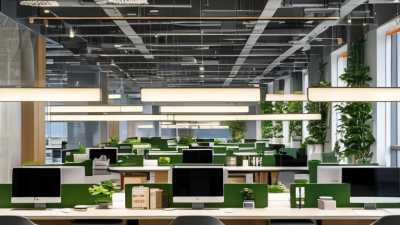
The integration of nature into office design, known as biophilic design, is gaining traction in China. This trend emphasizes creating spaces that connect employees with natural elements. Features like living walls, natural light, and water features are becoming common. These elements not only enhance aesthetic appeal but also improve air quality. Plants can reduce stress and increase productivity, making workplaces healthier.
Employers are recognizing the value of nature in office environments. However, the challenge lies in implementing these designs effectively. Balancing aesthetics and functionality is crucial. A poorly designed space can lead to discomfort rather than relaxation. Moreover, the placement of greenery should be strategic to maximize benefits. Employees must feel comfortable in their environment.
Innovative designs can spark creativity, but they also require careful planning. Some offices face limitations in space and budget. Not all designs are feasible for every company. Reflecting on these challenges is important. Embracing biophilic design is not merely a trend. It’s a step towards healthier workplaces, but it requires a thoughtful approach to be truly effective.
| Trend | Description | Impact on Employee Wellness | Implementation Examples |
|---|---|---|---|
| Biophilic Design | Incorporating natural elements into office spaces to improve well-being. | Reduces stress and enhances creativity. | Use of indoor plants and water features. |
| Flex Workspaces | Open and adaptable work environments to boost collaboration. | Encourages teamwork and reduces isolation. | Shared desks and collaborative zones. |
| Wellness Rooms | Dedicated spaces for relaxation and mental health breaks. | Promotes overall employee health and morale. | Quiet zones with comfortable seating and lighting. |
| Outdoor Spaces | Access to balconies and gardens for fresh air and relaxation. | Enhances focus and brings a sense of calm. | Rooftop gardens and terrace areas. |
| Smart Building Technology | Integration of IoT for better environment control. | Improves comfort and energy efficiency. | Automated lighting and climate control systems. |
| Healthy Design Elements | Use of non-toxic materials and wellness-focused aesthetics. | Supports physical health and reduces health risks. | Natural paints, recycled materials, ergonomic furniture. |
| Acoustic Design | Incorporating soundproofing materials and design. | Reduces noise distraction and improves focus. | Use of acoustic panels and carpets. |
| Sustainable Practices | Focuses on eco-friendly design and materials. | Promotes corporate responsibility and employee pride. | Solar panels, energy-efficient systems. |
| Employee Input in Design | Involving employees in design decisions for better results. | Increases satisfaction and sense of ownership. | Surveys and workshops to gather feedback. |
| Color Psychology | Using colors strategically to influence mood and productivity. | Enhances creativity and reduces anxiety. | Soft blues and greens for calming effects. |
Promoting physical activity through innovative space design is essential in today's workplace. Research shows that active employees are more productive. A report from the Global Wellness Institute highlights that companies investing in wellness design see a 29% reduction in absenteeism. This not only boosts morale but also enhances job performance.
Creating spaces that encourage movement can take various forms. Incorporating standing desks and open areas for movement breaks is an effective strategy. It allows for more fluid communication and collaboration among employees. Moreover, biophilic designs, which integrate nature into workspaces, can enhance mental well-being and reduce stress levels. A study from Harvard University found that exposure to natural elements can improve cognitive function.
Despite these benefits, some workplace designs ignore the importance of mobility. Many offices remain static, with little room for movement. This can lead to an increase in sedentary behavior, contradicting wellness goals. Companies must continuously evaluate and adjust their environments. They should seek feedback from employees and adapt spaces to better suit their needs for physical activity.
Collaborative workspaces are transforming employee wellness in China. These designs encourage interaction. They blend open spaces with cozy nooks, allowing teams to collaborate freely. This setup fosters creativity and connection, reducing isolation in the workplace. Natural light and greenery play a significant role too. They enhance mood and productivity, creating an inviting atmosphere.
However, this trend isn't without its challenges. Not everyone thrives in open spaces. Some employees may feel overwhelmed by noise and constant movement. It’s important to strike a balance. Areas for quiet work should coexist alongside bustling collaboration spots. Designing for flexibility is crucial. Spaces should adapt to various work styles and preferences, ensuring everyone feels comfortable.
Furthermore, social interaction goes beyond physical design. Companies must foster a culture of communication and teamwork. Regular workshops and team-building activities help solidify connections. Employee feedback on workspace effectiveness also plays a vital role. Understanding what employees value is key to creating an environment that supports their well-being.
Sustainable practices in employee wellness design initiatives are gaining traction in China. Companies are increasingly aware of their environmental impact. Incorporating eco-friendly materials is one way to address this. Bamboo, recycled metals, and non-toxic paints are commonly used. These materials not only reduce carbon footprints but also create healthier workspaces. Designers are focused on natural lighting and green spaces, emphasizing biophilic design.
Creating a wellness-centric work environment involves thoughtful planning. Integrating meditation rooms, fitness areas, and healthy cafeterias fosters employee well-being. However, businesses sometimes overlook the importance of proper maintenance. Spaces need continuous updates to remain appealing and functional. A lack of commitment to sustainability can lead to wasted resources.
Feedback from employees is crucial in shaping these designs. Engaging them helps identify what wellness means in their context. However, it's often challenging to balance personal preferences with budget constraints. Companies must strive for understanding and adaptability. Awareness of these challenges can lead to more effective design solutions and ultimately, a more sustainable workplace.