In recent years, the concept of "office culture design" has gained significant attention, especially in China. A report from McKinsey highlights that companies focusing on innovative office culture see a 30% increase in employee satisfaction. This trend is crucial for global buyers looking to invest in China's evolving market. According to renowned office design expert, Claire Liu, "Designing office culture is not just about aesthetics; it’s about creating an environment that fosters collaboration and innovation."
The shift towards a more dynamic workplace is evident. Spaces are increasingly designed to promote creativity and well-being. Research from the Global Workspace Survey indicates that 70% of employees believe their productivity is affected by their work environment. However, many organizations still overlook this aspect, resulting in disengaged teams and diminished performance.
While trends like flexibility and technology integration dominate discussions, the challenge lies in implementation. Misunderstanding local preferences can lead to investments that miss the mark. Industry professionals emphasize the need for a tailored approach to office culture design that resonates with Chinese employees. As Claire Liu puts it, "Without understanding cultural nuances, even the best designs can falter." Hence, finding a balance between global trends and local needs is essential for success.
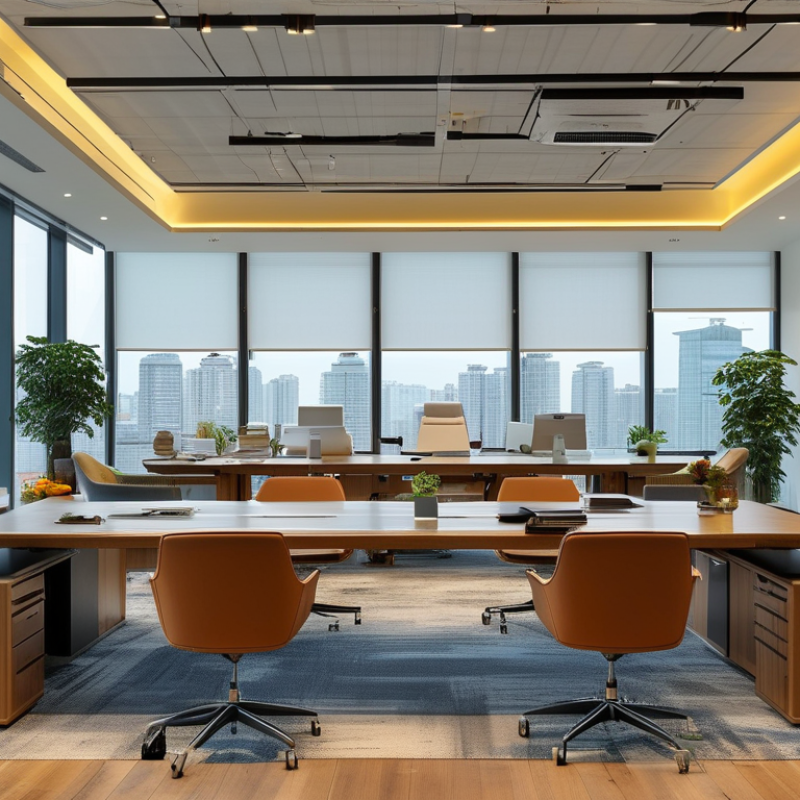
In recent years, office culture design in China has seen significant shifts. Global buyers are prioritizing environments that foster collaboration and creativity. Open spaces and flexible work areas are gaining importance. These designs encourage employee interaction and idea exchange, vital for innovation.
Biophilic design is also emerging as a key focus. Integrating natural elements into office spaces enhances well-being. Plants, natural light, and earthy materials can boost mood and productivity. However, balancing aesthetics with functionality remains a challenge. Some designs may look good but lack practical use.
Another notable trend is the incorporation of technology in office design. Smart solutions create seamless work experiences. Yet, there is a risk of over-reliance on technology, which can strain human interaction. Striking a balance between tech and tradition is essential. As these trends evolve, global buyers must continually reflect on their choices and adapt accordingly.
The rise of remote work has significantly altered office space design trends in China. According to a report by Knight Frank, 53% of companies plan to reduce their office space due to the flexibility of remote work. This shift emphasizes the need for multifunctional spaces that cater to both collaboration and individual focus.
As employees embrace hybrid work models, the demand for tech-enabled environments grows. A survey by JLL indicated that 62% of employees seek collaborative spaces equipped with advanced technology. These areas should promote interaction while allowing for privacy when needed. However, many workplaces still struggle to balance open layouts with the necessity for quiet zones, leaving room for improvement in design strategy.
Additionally, the emphasis on wellness translates into biophilic design elements. Features like natural light and greenery enhance employee well-being. Yet, not all spaces integrate these aspects effectively. Only 12% of respondents felt their workplace environment supported their overall health. Organizations must navigate these challenges to foster an engaging and productive office culture.
| Trend | Description | Impact of Remote Work | Future Outlook |
|---|---|---|---|
| Flexible Workspaces | Incorporating adjustable furniture and open layouts to accommodate various work styles. | Increased demand for spaces that allow for collaboration and individual work. | Expected to continue evolving with hybrid work models. |
| Biophilic Design | Integration of natural elements like plants and water features to enhance well-being. | Remote work increases desire for nature-inspired environments enhancing mental health. | Expected growth in demand for biophilic spaces post-pandemic. |
| Technology Integration | Smart offices equipped with IoT devices to improve efficiency and collaboration. | As remote work evolves, tech solutions for virtual communication are crucial. | Predicted increase in investment in smart office technologies. |
| Wellness Spaces | Designated areas for relaxation and mental health support within the office. | The rise of remote work has highlighted the importance of mental health in workspaces. | Growing recognition of wellness in office design as essential. |
| Collaborative Areas | Spaces designed to encourage teamwork and brainstorming sessions. | Remote work has changed collaboration methods, necessitating innovative spaces. | Increased investment in collaborative technologies and spaces. |
| Sustainable Design | Use of eco-friendly materials and energy-efficient systems in office design. | Remote work emphasizes corporate responsibility towards sustainability. | Continued focus on sustainable practices expected in future designs. |
| Personalization | Encouraging employees to personalize their workspaces to boost comfort and productivity. | Remote work enhances individual work patterns, leading to more emphasis on personalization. | Anticipated increase in custom workspace solutions. |
| Cultural Expression | Incorporating local culture and art into office design to create identity and connection. | Remote work fosters a need for spaces that express corporate culture. | Increasing importance of cultural elements in global office designs. |
| Hybrid Workspaces | Designs that accommodate both remote and in-office employees seamlessly. | Transition to hybrid work requires flexible office designs. | Expected dominance of hybrid office models in future designs. |
Innovative collaborative spaces are transforming office dynamics in China. These spaces emphasize teamwork and creativity. Open layouts, flexible seating, and vibrant colors encourage interaction among employees. Such designs foster a sense of community and enhance productivity.
Creating these environments requires a thoughtful approach. It’s important to listen to employee feedback. Comfortable seating and adequate lighting are crucial. However, some designs can backfire. Too much noise can hinder focus. So, balance is key. Establishing quiet zones can help.
Tips: Consider incorporating greenery into design. Plants improve air quality and boost morale. Also, utilize technology to encourage collaboration. Smart boards and video conferencing tools enhance team engagement, despite potential challenges in implementation. Always assess the unique needs of your team when designing these spaces.
In recent years, sustainability has become crucial in office design across China. Many workplaces are embracing eco-friendly materials, reducing waste, and promoting energy-efficient practices. Natural light is now prioritized in many office layouts. This change fosters a healthier work environment.
Additionally, green spaces are emerging in office design. Indoor plants not only enhance aesthetics but also improve air quality. Some offices now feature vertical gardens. These elements create a sense of tranquility and connection with nature.
However, challenges remain. Not all companies fully understand sustainable practices. Many are still focused on aesthetics over function. Education is essential for fostering a deeper awareness of sustainability in office culture. Creating a truly eco-friendly workplace requires continued effort and reflection.
In the evolving landscape of office design in China, traditional cultural elements are playing a pivotal role. Chinese heritage emphasizes harmony, balance, and connection to nature. Offices now often incorporate these principles, blending functionality with aesthetics. Natural materials, such as wood and stone, create a warm and inviting atmosphere.
Open spaces are favored, encouraging collaboration and communication. Yet, many companies grapple with how to integrate these cultural aspects effectively. Some designs feel forced or overly simplistic, losing the depth of traditional meanings. Finding the balance between modern needs and cultural richness is essential.
Color schemes reflect Chinese philosophies as well. Soft earth tones foster tranquility, while bold red accents symbolize good fortune. However, these color choices may not resonate universally. The challenge lies in appealing to diverse global audiences while honoring local traditions. Such complexities highlight the importance of thoughtful design in cultivating an inspiring work environment.
This chart illustrates the top 10 office culture design trends in China, showcasing the popularity percentage of each trend among global buyers. The trends reflect a blend of traditional Chinese heritage and modern design principles.