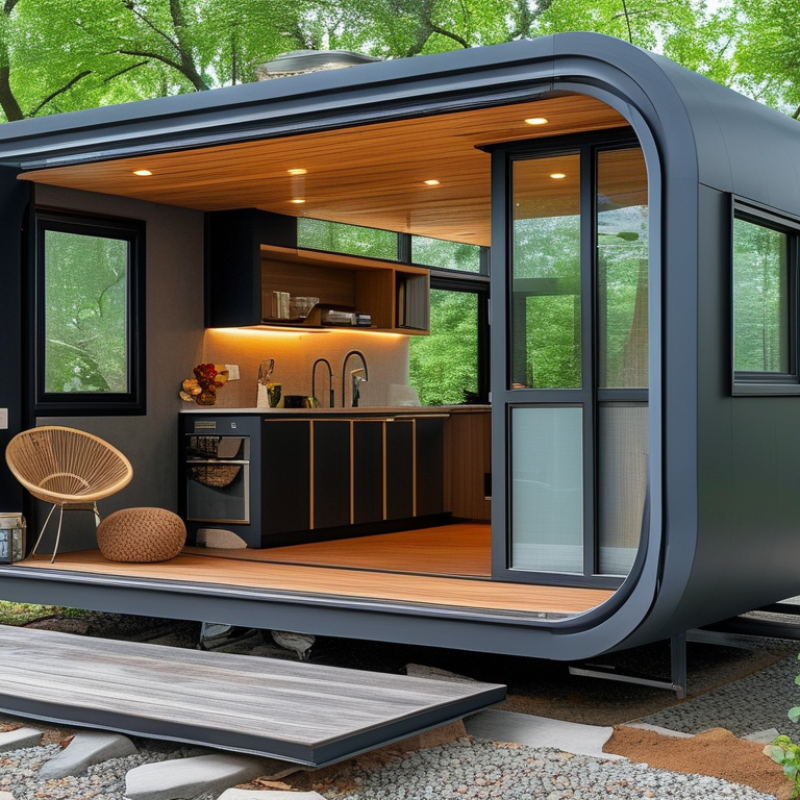
Top 10 Pre Built Tiny Homes Buyers Need to Know?
The concept of Pre Built Tiny Homes has gained immense popularity in recent years. These compact living spaces offer a sustainable alternative to traditional housing. However, navigating the market can be overwhelming for buyers.
Understanding the nuances of Pre Built Tiny Homes is essential. From layout options to building materials, each choice impacts your lifestyle and comfort. Many buyers overlook important factors such as zoning laws and land requirements. It’s vital to approach this process with knowledge and caution.
Buyers should also reflect on their specific needs. For instance, do you need a full kitchen, or is a simple kitchenette sufficient? Not all Pre Built Tiny Homes are created equal. Some may focus on aesthetics, while others prioritize functionality. By recognizing these details, you can find a home that genuinely fits your lifestyle.
Top Trends in Pre Built Tiny Homes: Market Growth and Consumer Preferences
The market for pre-built tiny homes is expanding rapidly. Consumers are drawn to their affordability and sustainability. Many buyers prioritize simplicity and efficiency when selecting these homes. Some prefer eco-friendly materials, while others seek customizable options. This shift highlights a growing awareness of environmental impact.
Trends indicate younger generations are leading the charge. They value minimalism and mobility. Tiny homes offer a solution to rising housing costs. However, potential buyers often face regulatory challenges. Zoning laws can complicate placement. This friction may deter some but also encourages innovation in design.
The appeal of pre-built tiny homes often lies in their unique designs. Buyers enjoy the character and charm of these spaces. However, not every model suits all needs. Potential owners must carefully consider size and functionality. Reflecting on personal lifestyle is essential for a successful purchase. Ultimately, these homes reflect a broader cultural shift towards intentional living and resourcefulness.
Key Features to Consider When Choosing a Pre Built Tiny Home
When choosing a pre-built tiny home, several key features deserve your attention. Size is a primary consideration. Tiny homes range from about 100 to 400 square feet. Think about your space needs carefully. Will it accommodate your lifestyle? Also, layout plays a crucial role. Open spaces feel larger. Consider multifunctional furniture to maximize usability.
Another important feature is insulation. Quality insulation helps maintain a comfortable temperature year-round. It also contributes to energy efficiency. Look for homes with good heating and cooling systems. This can significantly reduce your energy bills.
Don't overlook the materials used in construction. Wood is common, but check for sustainability. Durable materials increase longevity and reduce maintenance. Keep in mind the potential for repairs. Sometimes, cheaper options result in higher long-term costs.
Involving personal preferences is key. What style resonates with you? Modern, rustic, or minimalist? Your tiny home should reflect your personality and meet your daily needs. While many options look appealing at first glance, consider practicality and functionality over aesthetics. Reflect on how you truly live. This may alter your initial choices.
Comparative Costs: Understanding the Price Range of Tiny Home Options
The tiny home movement has gained momentum in recent years, driven by rising housing costs and an increasing desire for sustainable living. According to a recent report from the National Association of Home Builders, the average cost of a tiny home ranges from $20,000 to $80,000. This price can vary significantly based on size, materials, and amenities. A basic model might come at a lower price point, while a luxury option with high-end features can approach the upper limit.
It's crucial to consider the recurring costs associated with owning a tiny home. While initial investments may be lower, homeowners should factor in expenses like land purchase, utilities, and maintenance. A study from the American Tiny House Association highlighted that tiny homeowners might save up to 50% on utilities compared to traditional homes. However, this savings depends on location and overall energy efficiency.
Financing options pose another hurdle for many buyers. Traditional mortgage avenues often exclude tiny homes due to their size and unique setups. Many buyers turn to personal loans or RV loans, which can come with higher interest rates. The unique nature of tiny homes means that potential buyers need to be well-informed, ensuring they understand both advantages and limitations before making a financial commitment.
Regulatory Considerations: Zoning Laws and Permits for Tiny Homes
When considering a tiny home, regulatory aspects are crucial. Zoning laws vary greatly from one area to another. Many regions restrict the size of homes, which can impact tiny house placements. It’s vital to check local ordinances. Some areas may not allow tiny homes on standard residential lots. Others might have specific requirements for foundations or utilities.
Permits are another important factor. Building permits are often necessary before construction begins. They ensure that the home meets safety standards. This process can be lengthy and requires proper documentation. Additionally, some regions require special permits for homes on wheels. These can add complexity to your tiny home journey.
It’s essential to communicate with local authorities early on. Misunderstandings can lead to fines or forced relocations. Understanding these regulatory challenges enhances your tiny home experience. Knowledge empowers you to make better choices. Always document your research and discussions. This can prevent headaches in the future.
Sustainability Factors: Eco-Friendly Building Materials and Energy Efficiency
When considering tiny homes, sustainability is paramount. Eco-friendly materials play a significant role in reducing the ecological footprint. For example, bamboo is gaining popularity as a building material. It grows rapidly and absorbs more carbon dioxide than traditional wood. According to the U.S. Green Building Council, using sustainable materials can lower energy consumption by up to 40% in homes.
Energy efficiency is another critical component. Tiny homes often incorporate advanced insulation that minimizes heat loss. This can lead to reduced energy bills and a smaller carbon footprint. A recent report from the National Renewable Energy Laboratory indicated that homes designed with passive solar strategies can decrease heating costs by 30% or more. Many tiny homes also embrace renewable energy sources, such as solar panels, which can provide substantial energy savings over time.
However, challenges remain. Not every homeowner is aware of the benefits of super-efficient appliances. Choosing the right materials and systems requires research. Furthermore, the availability of eco-friendly materials can vary by region, impacting their accessibility. Homebuyers need to be informed and proactive in their choices to truly achieve sustainability.
Top 10 Pre Built Tiny Homes Buyers Need to Know
| Model | Size (sq ft) | Materials | Energy Efficiency (Rating) | Water Conservation Features |
| Eco Haven | 250 | Recycled Steel, Bamboo | A+ | Rainwater Harvesting |
| Tiny Oasis | 300 | Sustainable Wood, Eco Paint | A | Low Flow Fixtures |
| Green Box | 400 | Natural Stone, Hemp Insulation | A++ | Greywater System |
| EcoNest | 350 | Reclaimed Wood, Hempcrete | A+ | Rain Sensor Irrigation |
| The Turtle | 280 | Bamboo, Recycled Plastic | A | Dual Flush Toilets |
| Nature Pod | 300 | Structural Insulated Panels, Wood | A | Compost Toilet |
| Wander Lodge | 270 | Recyclable Concrete, Wood | A+ | Water-Efficient Landscaping |
| Sky Cabin | 320 | Cedar, Solar Panels | A++ | Permeable Pavement |
| Haven Home | 265 | Bamboo, Clay | A | Low-Usage Appliances |
| Retreat | 290 | Wood, Stone | A+ | Smart Irrigation System |