Where to Buy the Best Stone Garden Sculptures in China?

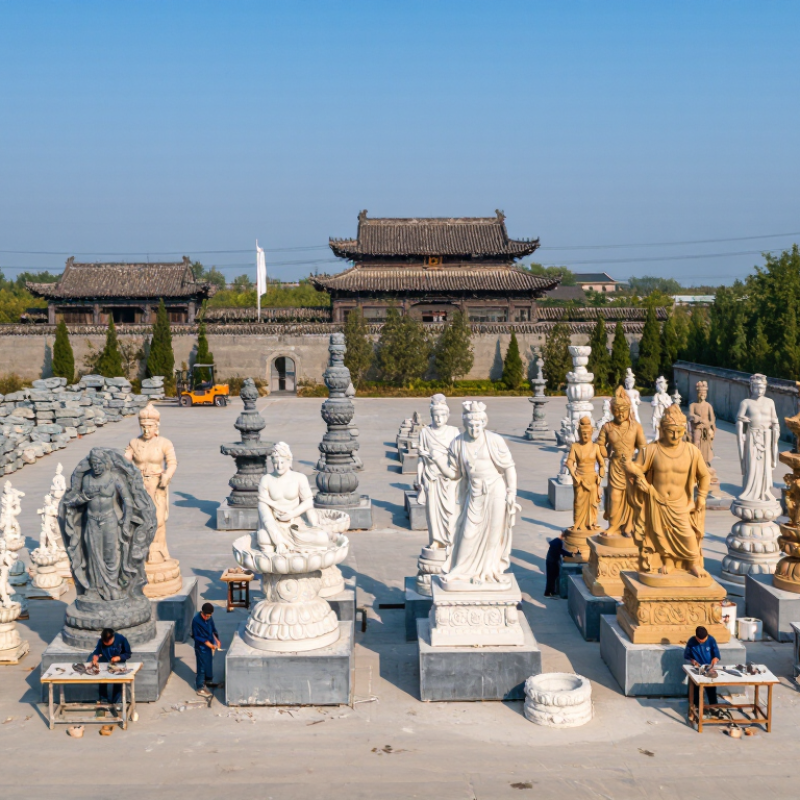
Where to Buy the Best Stone Garden Sculptures in China? The answer depends on more than price, photographs, or polished showroom floors. China offers remarkable stone-carving traditions, especially in Quyang, Hebei, and Shuitou, Fujian. These centers are known for marble, granite, sandstone, and custom outdoor sculpture production.

Industry reports from Grand View Research on the global decorative stone market indicate continued demand for durable architectural and landscape materials through 2030. Reports from the China Stone Material Association also underline China’s strong processing capacity and export infrastructure. However, market growth does not guarantee craftsmanship. A low-cost statue may hide weak joins, uneven carving, poor drainage, or unsuitable stone density. A beautiful sample can mislead.

Thomas Church, a respected landscape architect, wrote, “Gardens are for people.” His idea applies directly to Stone Garden Sculptures. A sculpture should support movement, scale, shade, and daily use. It should not simply occupy an empty corner.

Look closely.

Experienced buyers should request quarry details, stone-composition records, carving photographs, dimensional drawings, and packing specifications. Granite suits exposed courtyards and freezing climates. Softer sandstone may offer warmer texture, but it needs thoughtful placement and maintenance. Marble can appear luxurious, although staining and surface weathering deserve attention.

I would not choose a supplier from catalog images alone. That is an easy mistake. Visit a factory when possible, examine unfinished work, and ask how the sculpture will be anchored. The best Chinese supplier combines artistic judgment, material knowledge, careful finishing, and dependable communication. Even then, expectations should remain realistic. Handmade stone is never perfectly uniform. That imperfection can become part of its character.
Where to Buy the Best Stone Garden Sculptures in China?

Types of Stone Garden Sculptures Available in China

China offers a wide range of stone garden sculptures for courtyards, parks, hotels, and private landscapes. Common choices include animal figures, human statues, fountains, columns, planters, benches, and decorative arches. Lion sculptures often suit formal entrances, while cranes, deer, and turtles create a quieter garden mood. Abstract forms are also available for modern outdoor spaces.

Material changes both appearance and performance. White marble shows fine facial details and polished surfaces. Granite provides stronger resistance to rain, frost, and daily wear. Limestone has a softer texture and works well for classical figures. Sandstone creates warm colors, but it may require more protection in wet climates. Dark basalt gives a simple, contemporary appearance.

I have found that experienced buyers should request close photos of carving edges, bases, and hidden joints. These details reveal workmanship better than a showroom image. Ask about stone origin, thickness, drainage, packaging, and installation weight. Workshops in established stone-carving areas of Fujian and Hebei can offer custom sizes and traditional hand-finishing. Still, “hand-carved” does not always mean better. I once preferred a dramatic sculpture with delicate details, but its narrow base seemed unstable. That choice needed more reflection. Measure the garden first, then compare scale, surface finish, and local weather conditions. A beautiful statue can look misplaced when its proportions are wrong.

Where to Buy the Best Stone Garden Sculptures in China? - Types of Stone Garden Sculptures Available in China

Sculpture Type Commonly Used Stone Typical Height or Size Common Garden Applications Popular Finishes Relative Price Level Key Buying Considerations
Statues and Figurative Sculptures Marble, granite, sandstone, limestone 0.6–2.5 m high Entrances, lawns, courtyards, memorial gardens and formal landscapes Polished, honed, sandblasted or hand-chiseled Medium to high Check anatomical detail, balance, base connection and resistance to local weather conditions.
Animal Sculptures Granite, marble, sandstone 0.4–2.0 m long or high Family gardens, parks, playground surroundings, hotel grounds and public landscapes Natural split face, honed, polished or textured carving Medium to high Confirm the sculpture’s center of gravity, sharp-edge treatment and anchoring method.
Fountains and Water Features Granite, marble, limestone, sandstone 0.8–3.0 m high; basin diameter often 1.0–3.5 m Courtyards, hotel entrances, commercial gardens and large private landscapes Polished basin, honed body, carved relief or flamed texture High Ask for water-flow testing, drainage details, pump compatibility and frost-resistance information.
Abstract and Modern Sculptures Granite, marble, basalt, quartzite 0.8–3.5 m high Contemporary gardens, plazas, office landscapes and architectural projects Highly polished, honed, flamed, bush-hammered or mixed finish Medium to high Review full-scale drawings, surface transitions, lifting points and installation engineering.
Columns, Obelisks and Pillars Granite, marble, limestone 1.0–4.0 m high Driveways, gates, terraces, memorial spaces and symmetrical garden layouts Polished, honed, fluted, carved or sandblasted Medium Verify vertical tolerances, base dimensions, load-bearing capacity and transport sections.
Planters and Stone Urns Granite, marble, limestone, sandstone 0.3–1.5 m high; diameter often 0.4–1.2 m Patios, terraces, entrances, balconies and landscaped pathways Honed, polished, fluted, carved or weathered finish Low to medium Check drainage holes, internal depth, wall thickness, weight and compatibility with plant roots.
Benches and Garden Furniture Granite, sandstone, marble, limestone 1.0–2.0 m long; seat height commonly 0.42–0.50 m Paths, parks, courtyards, pool areas and resting zones Honed, flamed, polished or natural cleft surface Medium Prioritize ergonomic dimensions, anti-slip surfaces, structural thickness and ground stability.
Relief Panels and Decorative Wall Carvings Marble, limestone, sandstone, granite 0.6–2.5 m wide; thickness commonly 50–200 mm Garden walls, gates, feature façades, pergolas and retaining walls Relief carving, sandblasted, honed or antiqued Medium Confirm panel thickness, fixing points, pattern alignment, moisture protection and installation method.
Rocks, Boulders and Zen Garden Features Granite, basalt, sandstone, slate 0.3–2.5 m in the longest dimension Japanese gardens, rockeries, water edges, pathways and naturalistic landscapes Natural weathered, split face, bush-hammered or lightly polished Low to medium Request photographs of the actual stone, estimated weight, lifting requirements and weathering characteristics.

Size, stone grade, carving complexity, finish, packaging, installation and shipping distance can significantly affect the final quotation. Natural stone color and texture may vary from sample images.

Key Regions and Markets for Sourcing Stone Garden Sculptures

Where to Buy the Best Stone Garden Sculptures in China?

Quyang in Hebei is a major center for carved stone garden sculptures. Its workshops produce lions, fountains, planters, benches, and classical figures. Local craftsmen often work with white marble, sandstone, and granite. Visiting the carving villages helps buyers compare hand tools, surface textures, and finishing methods. Many suppliers can adjust dimensions from a garden drawing. Ask to inspect unfinished pieces, not only polished samples. Small cracks may disappear under dust or lighting.

Chongwu in Fujian is known for coastal stone carving and strong outdoor designs. Its workshops commonly handle granite, limestone, and large architectural ornaments. Yunfu in Guangdong offers a broad stone market with cutting, polishing, and packaging services nearby. This can reduce transport between production stages. However, quality varies between workshops. I once focused too much on attractive pricing and overlooked drainage details. The fountain looked excellent, but its water outlet needed redesigning.

Tips: Request a physical sample before placing a large order. Confirm stone origin, thickness, weight, and weather resistance in writing. Check the sculpture from several angles under natural light. For outdoor delivery, require reinforced crates, corner protection, and moisture control. Keep drawings with exact measurements. Allow extra time for carving corrections and export inspection.

Where to Buy the Best Stone Garden Sculptures in China?

China’s main sourcing regions are concentrated around established stone-carving and natural-stone production areas. The benchmark below compares their relative suitability for garden sculpture sourcing based on regional carving heritage, material availability, customization capability, and export-oriented production.

The index is a practical sourcing benchmark on a 100-point scale, not an official sales or company ranking. Hui’an and Quyang are particularly well known for traditional stone carving, while Laizhou, Yunfu, and Qingtian are important areas for stone processing and decorative sculpture production.

How to Evaluate Quality, Materials, and Craftsmanship

Where to Buy the Best Stone Garden Sculptures in China?

Quality begins with the stone, not the showroom lighting. Grand View Research estimated the global natural stone market at about USD 33 billion in 2023, showing strong demand for durable materials. However, market growth does not guarantee consistent sculpture quality.

Ask suppliers for the stone’s origin, density, water absorption, and freeze-thaw test results. ASTM C97 testing measures absorption and bulk specific gravity, while ASTM C170 evaluates compressive strength. These details matter outdoors. Granite usually resists rain and temperature changes better than softer limestone. Marble offers finer carving, but it may stain or weather faster.

Look closely at the base, corners, and facial details. Tool marks should appear intentional, not rough or hidden under excessive polish. Check whether the sculpture stands level on a flat surface. Measure its dimensions yourself. Small differences can affect installation and shipping costs.

Request close-up videos in natural light. A polished sample can mislead. I once trusted a beautiful surface too quickly; the rear side revealed uneven carving and a repaired crack. That mistake was avoidable. The 2024 Stone World industry survey also highlights growing interest in digital inspection and traceable sourcing, but photographs remain imperfect evidence. Ask for a physical sample when possible, written material specifications, and a clear inspection process before production begins.

Choosing Reliable Chinese Sculptors, Workshops, and Suppliers

China offers a wide range of stone garden sculptures, but reliable sourcing requires more than attractive photographs. A trustworthy sculptor should explain the stone’s origin, density, weather resistance, and expected color changes. Ask for recent workshop images, detailed drawings, and a small carved sample. The sample may reveal tool marks that edited photos hide.

Visit the workshop when possible. Check whether workers measure each curve, protect sharp edges, and store finished pieces under cover. Skilled teams usually discuss drainage, base stability, lifting points, and installation conditions before production begins. Ask how they handle cracks, color differences, and replacement parts. These conversations often show more professionalism than a polished sales presentation. No workshop is perfect.

A dependable supplier should provide clear specifications, including dimensions, stone type, surface finish, packing method, production time, and inspection stages. Use written milestones rather than vague promises. Independent inspection can confirm measurements and visible defects before shipment. Wooden crates should prevent movement, while foam or padded separators protect carved details. Confirm export documents and delivery responsibilities in writing.

Be cautious with unusually low quotations. They may reflect softer stone, thinner sections, rushed carving, or weak packaging. I would also leave room for revision, because the approved drawing may not fully express the stone’s natural character. A reliable Chinese partner accepts practical questions, records changes, and reports problems before they become expensive. Ask for references from comparable garden projects, not only decorative pieces.

Ordering, Customizing, Shipping, and Installing Stone Sculptures

Where to Buy the Best Stone Garden Sculptures in China?

Ordering a stone garden sculpture in China starts with clear specifications. Send drawings, target dimensions, stone preference, and installation photos. A reliable workshop should provide quarry information, stone samples, and a detailed carving quotation. Ask about color variation, cracks, drainage holes, and surface finishing. Natural stone is never perfectly uniform. That is part of its character, but it should not hide structural defects.

Customization needs practical communication. Confirm the sculpture’s height, weight, base design, and center of gravity before carving begins. A full-size drawing can prevent expensive mistakes. Request progress photos at rough-carving and final-polishing stages. I once underestimated the visual effect of a pedestal that was only ten centimeters too high. It changed the entire garden composition. Small errors matter.

Shipping requires more than a wooden crate. The supplier should protect fragile projections with foam, separate heavy sections, and record the packed dimensions. Confirm loading photos, insurance responsibilities, customs documents, and delivery terms in writing. At the destination, inspect every piece before signing for damage. Installation needs a level concrete foundation, suitable lifting equipment, and stainless-steel fixings where appropriate. Leave enough space for drainage and future maintenance. Do not rush this stage. Even an expertly carved sculpture can tilt on poorly prepared ground. Personally, I would also allow extra time for local weather, because wet conditions can delay lifting and make the site unsafe.